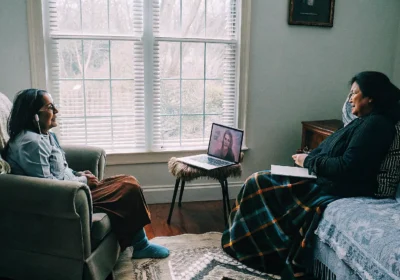

Abuse does not need visible injuries to leave evidence in a VAWA case. Fear, sleep loss, isolation, and ongoing distress can shape a survivor’s daily life long after a harmful relationship.
Contact Renewal of the Mind to discuss a confidential immigration evaluation consultation.
VAWA psychological evaluation Virginia support can document how abuse affected a survivor’s mental health, safety, and daily life. Renewal of the Mind provides trauma-informed clinical evaluations for immigration matters, while avoiding legal promises or guarantees about USCIS decisions.
Survivors often want to know whether sharing painful experiences can serve a clear purpose in an immigration matter. The next section, VAWA psychological evaluation Virginia: what it can document, explains the kinds of harm an evaluation may record. It also explains the limits of a clinical report.
VAWA psychological evaluation Virginia: what it can document
Direct answer: Renewal of the Mind can document trauma symptoms, daily functioning, safety concerns, and the psychological effects of abuse in a VAWA psychological evaluation Virginia report. The evaluation supports clinical documentation only; it does not decide eligibility or guarantee an immigration outcome.
What the evaluation is
A VAWA psychological evaluation is a clinical assessment for a person preparing a self-petition based on abuse or extreme cruelty. In Virginia, it gives a clinician a clear way to record the person’s experiences and current mental health needs. USCIS considers any credible evidence relevant to a VAWA self-petition, but it decides what weight each item receives.
The evaluation is not a legal finding, and it cannot promise an immigration outcome. It is a clinical report that may help explain emotional harm in a clear, organized, and respectful way. For a fuller look at the process, read about professional immigration psychological evaluations.
Areas a clinician may document
Abuse is not limited to physical injury. The CDC describes intimate partner violence as including psychological aggression and coercive tactics, as well as physical violence, sexual violence, and stalking. A clinical interview may offer space to discuss fear, isolation, control, threats, humiliation, or trauma responses. A person should not have to relive every detail to be treated with care.
Based on the person’s history and consent, a report may document anxiety, sadness, sleep trouble, panic, or trouble focusing. It may also describe changes in daily life, such as work, parenting, relationships, safety planning, and access to support. The goal is an accurate clinical account, not a test of whether someone responded to abuse in a certain way.
Documentation may include the person’s account of what occurred, the emotional effects that followed, and how those effects appear now. When useful and available, the clinician may review records or speak with approved sources. The client can ask how information will be gathered, written, and shared before the assessment starts.
Clinical impressions and limits
An evaluator may connect the person’s reported experiences with present symptoms, coping skills, and clinical impressions. That work should be trauma-informed and culturally responsive when language, family roles, or immigration stress affect the person’s story. The clinician may note strengths and support systems as well as concerns.
People may remember traumatic events in pieces, or need pauses during a hard conversation. A careful evaluator can ask clear questions without assuming that distress must look one specific way. This approach helps protect dignity while keeping the report focused on clinical observations.
A VAWA psychological evaluation in Virginia may support communication between the client and legal counsel. It does not decide whether the petition meets immigration law requirements. A qualified immigration attorney can give legal advice, while a licensed mental health clinician provides clinical assessment within professional scope.

How does a VAWA psychological evaluation Virginia report support a petition?
Direct answer: A psychological evaluation may support a VAWA petition by explaining the emotional and functional impact of abuse in clinical language. Renewal of the Mind organizes this information into a trauma-informed report that an attorney may submit with other evidence.
Supporting evidence in a VAWA case
A VAWA petition may describe abuse that was private, gradual, or hard to put into words. A psychological evaluation offers a clinical setting to describe those experiences and their mental health effects. The clinician listens, asks focused questions, and prepares a report based on the person’s account and clinical information. The report is supporting evidence; it is not legal advice or a decision on the petition.
For a VAWA self-petition, USCIS considers any credible evidence relevant to the petition. This standard matters when abuse or extreme cruelty may not be shown through one type of record. An evaluation can add a clinical account of reported experiences and their effects. It does not replace other records, when they are available.
What a clinical evaluation can document
A VAWA psychological evaluation in Virginia focuses on mental health, not on proving a legal claim. The evaluator may ask about the relationship, reported harm, safety concerns, and changes in daily life. The conversation can also cover sleep, worry, mood, focus, or trauma responses, when these concerns are reported. Careful documentation gives context without promising any case result.
The written report may explain how the evaluation was completed and what information supported its clinical findings. It should also state limits, such as records that were not reviewed or facts the clinician cannot verify. Patients who need an overview of the appointment can review what to expect during your evaluation before meeting with a clinician.
- The petitioner’s account of reported events and their emotional impact.
- Symptoms or concerns described during the clinical interview.
- Clinical observations and screening measures, when used.
- Care recommendations or safety support, when clinically appropriate.
Distinct roles in the petition process
The clinician’s role is to assess mental health and write an accurate clinical report. An immigration attorney guides filing choices, legal arguments, deadlines, and the evidence package. Keeping these roles separate helps a petitioner seek both trauma-informed care and sound legal guidance. A therapist should not promise approval or advise someone on immigration strategy.
USCIS states that it alone decides which evidence is credible and how much weight it receives. That rule appears in the agency’s VAWA self-petition guidance. A petitioner can share the completed evaluation with an attorney, who can advise whether and how to submit it. If discussing abuse brings distress or safety concerns, the clinician can discuss support and care options.
What to expect during the evaluation process
Direct answer: At Renewal of the Mind, the process usually begins with privacy planning, a sensitive clinical interview, review of relevant history, and a written report. Survivors can ask questions, pause when needed, and share only what is clinically relevant.
Starting with privacy and planning
A VAWA psychological evaluation in Virginia begins with an inquiry and a safe plan for contact. At Renewal of the Mind, you can share scheduling needs and privacy concerns before an appointment is set. The team can discuss how and when it is safest to reach you.
This process is clinical, but it may support a legal matter. USCIS states that it considers any credible evidence relevant to a VAWA self-petition. The clinician listens, assesses mental health impact, and prepares an accurate report. The clinician cannot promise a legal result.
Steps in a VAWA evaluation
Your situation guides each appointment. The usual path includes care for privacy, safety, and the pace needed for sensitive topics. Each step can be explained before you share personal details.
- Make an inquiry. You request an evaluation and share basic contact information. You can name safe times or safe methods for follow-up.
- Schedule the appointment. Staff arrange the clinical interview and explain what you may need beforehand. If you have an attorney, you can choose whether the attorney helps with scheduling.
- Attend a confidential clinical interview. A clinician invites you to describe your history and current concerns. You may discuss abuse, coercion, fear, or emotional effects related to the assessment.
- Provide relevant records, when appropriate. The clinician may review documents that help explain your history or symptoms. These can include records you or your authorized attorney choose to share.
- Allow time for report preparation. The clinician reviews interview details and relevant documents. The written evaluation describes clinical findings and the reported impact of your experiences.
- Coordinate release, if authorized. If you give permission, the practice can work with your attorney about the report. This helps keep control of sensitive information with you.
A report is based on what is discussed and on records that are relevant to the evaluation. It is not a test you can pass or fail. Honest answers, including when you cannot remember a detail, help support a clear clinical account.
Preparing for a sensitive interview
You do not need to tell your full story during an initial call. Before the interview, consider a private place for your appointment and a safe way to receive messages. You may want a short list of dates, symptoms, or records you feel ready to discuss.
The clinical interview may cover difficult memories. Tell the clinician if you need a pause. You can also say if a question feels unsafe to address at that time. A careful assessment makes room for safety while recording information relevant to your care and evaluation.
For a broader overview, read what to expect during your evaluation. You can also learn how professional immigration psychological evaluations fit within immigration-related mental health services.
In-person and telehealth options for survivors in Virginia
Direct answer: Renewal of the Mind offers immigration evaluation support for Virginia clients through private, clinically appropriate appointment options. The right setting depends on safety, privacy, technology access, and whether an in-person meeting or secure telehealth visit feels safer.
Choosing a private setting
For a survivor seeking a VAWA psychological evaluation in Virginia, the right setting may depend on safety, privacy, language, and travel needs. An evaluation should offer room to describe experiences at a steady pace, without pressure to share more than is needed.
USCIS considers any credible evidence relevant to a VAWA self-petition. A clinical evaluation can document reported emotional effects and daily impact. It does not decide a case or promise a legal result.
In-person care in Northern Virginia
For people near Fairfax or elsewhere in Northern Virginia, an in-person meeting may provide a quiet setting away from home. It can also help when a safe private room or reliable internet is hard to arrange. Before scheduling, ask how the office protects privacy and supports trauma-sensitive interviews.
Some survivors may feel safer with a clinician who respects culture, faith, family roles, and immigration stress. Language access also matters when a person wants to speak with care and precision. Renewal of the Mind offers multilingual and culturally sensitive care options. Ask which language support fits your evaluation needs.
It is reasonable to ask practical questions before choosing an office visit. You can ask about arrival privacy, paperwork, interpretation needs, and who may attend. If contact from the practice could create a safety concern, state your preferred safe way to communicate.
Telehealth access across Virginia
HIPAA-compliant telehealth may reduce travel barriers for survivors who live farther from Fairfax or need more flexible access. A remote appointment still requires a private, safe space and a secure connection. If privacy at home is not possible, discuss in-person choices or a safer time to meet.
Before a remote visit, think about a room where others cannot hear the conversation. Headphones may add privacy, but they do not replace a safe setting. Discuss what should happen if the visit is interrupted or you need to pause.
Whether the meeting occurs online or in person, the goal is careful clinical documentation of the survivor’s reported experience and its impact. Readers can review professional immigration psychological evaluations or learn what to expect during your evaluation. An immigration attorney can advise on legal filing needs and case strategy.

What information may be discussed in a VAWA evaluation?
Direct answer: A VAWA evaluation may discuss relationship history, reported abuse, emotional symptoms, safety concerns, and changes in sleep, work, parenting, or daily tasks. Renewal of the Mind keeps the focus on clinically relevant information rather than forcing unnecessary details.
The story and its impact
A VAWA psychological evaluation in Virginia may begin with your relationship history at a pace that supports safety. The clinician may ask how the relationship developed, when harmful conduct began, and how it affected your choices. The goal is not to judge your decisions. It is to record your experience in clear clinical language.
The discussion may include physical harm, threats, sexual violence, stalking, isolation, or control over money and documents. It may also address fear, pressure, or intimidation. The CDC definition of intimate partner violence includes psychological aggression and coercive tactics, as well as physical and sexual violence.
You may be asked about current safety and any ongoing contact with the person who harmed you. If recalling events becomes too hard, you can tell the evaluator. A trauma-informed interview should leave room for breaks, questions, and needs that affect communication.
Symptoms and daily life
The clinician may ask about sleep, mood, anxiety, intrusive memories, panic, focus, appetite, or feelings of shame and fear. These questions help describe how reported experiences affect daily life. The discussion can cover parenting, work, school, self-care, relationships, and the ability to plan or make decisions.
Past therapy, mental health care, medical history, medications, and coping skills may also be relevant. The evaluator may ask about trusted relatives, friends, faith communities, advocates, or other sources of support. If you want a broader view of the process, see what to expect during your evaluation.
Cultural and immigration stress may shape the account. Topics may include language access, family or community pressure, fear about status, financial dependence, and barriers to seeking help. These concerns can help explain why safety choices were difficult, without placing blame on the person seeking care.
Documentation versus outcomes
An evaluation can document the emotional and functional impact of reported abuse or extreme cruelty. USCIS states that it considers any credible evidence relevant to a self-petition. Still, USCIS decides the credibility and weight of evidence in a VAWA case.
| Clinical documentation | Legal boundary |
|---|---|
| Reported relationship history. | No guaranteed result. |
| Trauma symptoms. | No legal strategy. |
| Daily functioning. | No USCIS decision. |
This table separates clinical documentation from legal decisions.
The evaluation may document: reported relationship history, safety concerns, trauma exposure, emotional symptoms, effects on work or parenting, support systems, treatment history, and cultural stressors.
The evaluation cannot promise: a specific immigration result, acceptance of every fact, how much weight USCIS gives the report, legal advice, filing strategy, or a decision timeline.
This table shows the boundary between clinical documentation and legal decisions.
A clinical evaluation is one part of a petition record. It should reflect what you report and what the clinician observes, using careful and respectful language. For legal questions about evidence or forms, speak with a qualified immigration attorney or accredited representative.
How Renewal of the Mind approaches immigration evaluations
Direct answer: Renewal of the Mind approaches immigration evaluations with trauma-informed care, cultural humility, and clear clinical boundaries. The team documents psychological impact carefully while reminding clients that legal strategy and case outcomes belong with an immigration attorney.
A careful setting for a difficult history
People seeking a VAWA psychological evaluation in Virginia may need a setting that feels safe. Telling a difficult story can be hard. Renewal of the Mind approaches immigration psychological evaluations with trauma-informed care, clear explanations, and respect for each person’s pace. The Fairfax practice serves Northern Virginia clients through licensed professionals.
An evaluation is not a promise about a petition result. It is a clinical process for recording the person’s reported experience and its mental health impact. For VAWA self-petitions, USCIS considers any credible evidence relevant to the self-petition. USCIS decides what weight each item receives.
Culturally responsive communication
Culture, language, family roles, and migration history can shape how a person describes harm or distress. A culturally responsive evaluator listens without forcing a person’s story into assumptions about abuse or coping. Renewal of the Mind offers multilingual services, including Arabic, Spanish, Korean, German, and Malayalam, for clients who may communicate best in a familiar language.
The practice is based in Fairfax and works with people across Northern Virginia. Some clients may seek an immigration evaluation as part of a legal matter. Others may also want ongoing emotional support. These are related needs, but they are not the same service. The practice’s page on culturally sensitive therapy for immigrants explains support beyond the evaluation process.
What the clinical role includes
In an immigration evaluation, a licensed professional listens to the client’s account and asks clinically relevant questions. The clinician may explore symptoms, safety concerns, history, and the effects of reported experiences. The goal is careful documentation within the clinician’s role, not legal advice or a decision about eligibility.
For a VAWA-related request, clients can expect boundaries that protect the integrity of the process:
- The clinician provides a respectful space to share experiences at a manageable pace.
- The evaluation focuses on mental health and reported impact, while an attorney advises on legal strategy.
- The written report reflects clinical findings without guaranteeing an immigration result.
- Questions about the evaluation can be discussed before the client decides how to proceed.
Renewal of the Mind also provides professional immigration psychological evaluations for people seeking more information about this clinical service. An initial conversation can clarify the purpose, privacy questions, language needs, and the difference between evaluation and therapy. That clarity can help a client make an informed next step.
Questions to ask before scheduling a VAWA evaluation
Direct answer: Before scheduling, ask about clinician credentials, trauma-informed experience, telehealth options, timing, coordination with an attorney, and safety planning. Renewal of the Mind encourages survivors to understand the process before sharing sensitive personal history.
Choosing an evaluator may feel hard when safety, privacy, and a legal case are already on your mind. Before booking a VAWA psychological evaluation in Virginia, ask clear questions about the clinician, process, and report. A careful first conversation can help you decide whether the setting feels safe enough to continue.
Credentials and trauma-informed care
Start by asking whether the evaluator is licensed to practice in Virginia. Ask about experience with trauma and immigration psychological evaluations, including VAWA matters. You can also ask how the clinician avoids making an interview feel rushed or blaming.
- Are you licensed in Virginia, and can I verify your license?
- Have you prepared evaluations for VAWA cases or other immigration relief matters?
- How do you support clients who become upset or need breaks?
- What records should I bring, if I have them?
An evaluation is not a promise of an immigration result. USCIS considers any credible evidence relevant to a VAWA self-petition. USCIS decides the weight of that evidence. An evaluator can explain the clinical purpose of a report without giving legal guarantees.
Timing, access, and personal safety
Ask what the process will look like before sharing sensitive details. Topics may include meeting length, report timing, cost, cancellation rules, and telehealth. If remote visits may be safer, ask what private technology and location you will need.
- When could we meet, and when might my report be ready?
- Can sessions take place by telehealth while I am in Virginia?
- Is it safe for you to leave messages or send email?
- Can I request an interpreter or a clinician who speaks my preferred language?
- How do you store records and share a completed report?
You may need a contact plan that protects privacy at home. Say which phone number, email address, language, or contact time is safest for you. Before scheduling, you can read what to expect during your evaluation.
Coordination with an attorney
A clinician and an attorney have different roles. Ask whether the evaluator can send the report to your attorney with written permission. You may also ask how the evaluator handles requests to fix factual errors.
- Will you coordinate with my immigration attorney if I consent?
- Who receives the report, and how is it sent securely?
- What should I do if I notice a factual error in my report?
Questions about eligibility, petition strategy, deadlines, evidence requirements, or filing should go to an immigration attorney. A licensed mental health professional can address the evaluation process and your clinical privacy needs.
Frequently Asked Questions
How do psychological evaluations support a VAWA petition?
A VAWA psychological evaluation can document the emotional and psychological effects of battery or extreme cruelty in a clinical report. USCIS considers any credible evidence relevant to a self-petition, according to its Policy Manual. An evaluation does not decide the petition or replace legal advice. A survivor can discuss how a report may fit with other evidence with an immigration attorney.
Is a VAWA psychological evaluation available in Virginia?
Yes. In Virginia, a licensed mental health clinician may provide an immigration psychological evaluation that addresses reported abuse, emotional impact, and current functioning. Survivors should ask whether the clinician has experience with VAWA cases, offers trauma-informed interviews, and can coordinate with an immigration attorney when authorized. Legal eligibility and filing strategy should be reviewed with a qualified immigration attorney.
Can I get a VAWA immigration evaluation via telehealth?
Telehealth may be an option for a VAWA psychological evaluation in Virginia when the evaluator is permitted to serve the client in Virginia and secure technology is appropriate. Before scheduling, confirm the clinician’s licensure, privacy practices, language access, written-report process, and whether your attorney has any case-specific preferences. If privacy or safety at home is a concern, tell the provider before the appointment.
How long does a VAWA psychological evaluation take in Virginia?
The timing depends on the evaluator, the number of interviews needed, records review, language interpretation, and report preparation. A provider should explain the expected interview schedule and report timeline before you begin. Because a VAWA filing can involve legal deadlines and supporting evidence requirements, coordinate timing with your immigration attorney rather than relying on a general estimate.
Ready to discuss a VAWA evaluation in Virginia?
Waiting to seek support can leave you facing a difficult legal process without a clear plan for documenting your mental health experience while under pressure. Starting now gives you time to ask questions, understand next steps, and decide whether an evaluation fits your needs before important decisions arrive. A focused consultation can help you move forward with greater clarity, care, and control over your next decision without rushing your choices.
Ready to take a private first step? Contact Renewal of the Mind to schedule a confidential consultation for an immigration psychological evaluation. You can share what you need, ask practical questions about the evaluation process, and choose a next step that respects your safety and pace.