Renewal of the Mind is a Fairfax, VA psychotherapy practice serving individuals, couples, families, children, teens, and adults across Northern Virginia. Our team provides supportive, culturally aware, and personalized care designed around each client’s unique needs.

A silent throat and racing heart can make talking about trauma feel like a massive obstacle. When verbal communication fails, expressing thoughts through colors and shapes offers a clinical path to relief.
Clinical art therapy for adults Virginia is a specialized clinical modality that helps individuals process trauma, manage chronic stress, and express deep emotions when words are not enough. Scientific research shows that this creative approach leads to a significant decrease in psychological trauma symptoms, which helps adult patients process painful memories and rebuild emotional stability. By using creative drawing, painting, or clay, participants create a safe and relaxing space to escape heavy mental stress and foster deep, lasting, and highly meaningful emotional healing. At Renewal of the Mind, our licensed professionals offer personalized clinical support at our Fairfax office and statewide via secure, HIPAA-compliant telehealth services to support your healing.
If you are ready to find a supportive new way to express your emotions, you may wonder how these sessions actually work. The answer lies in understanding How art therapy for adults Virginia supports healing. This collaborative and clinical process begins with
Many adults find it hard to talk about their struggles. Traditional talk therapy is highly effective, but verbal expression has its limits. This is where creative modalities offer a different path. Seeking art therapy for adults Virginia provides a unique way to address mental health challenges. This process combines counseling techniques with creative self-expression to help people process difficult emotions.
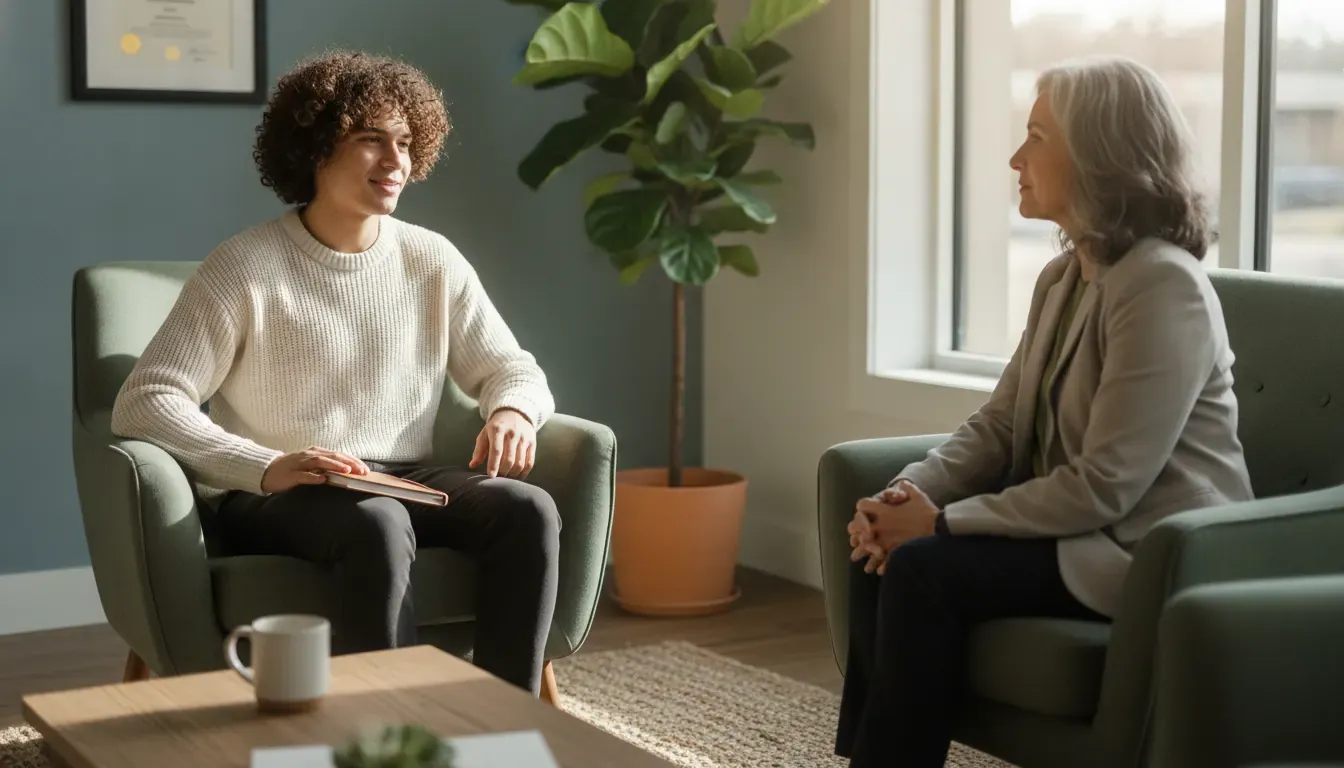
Licensed clinicians guide these therapeutic sessions. In the state of Virginia, art therapy is an established modality that requires proper professional licensure. This is not a simple craft class or a recreational hobby. Instead, it is a clinical process where trained professionals use creative mediums to address specific mental health goals.
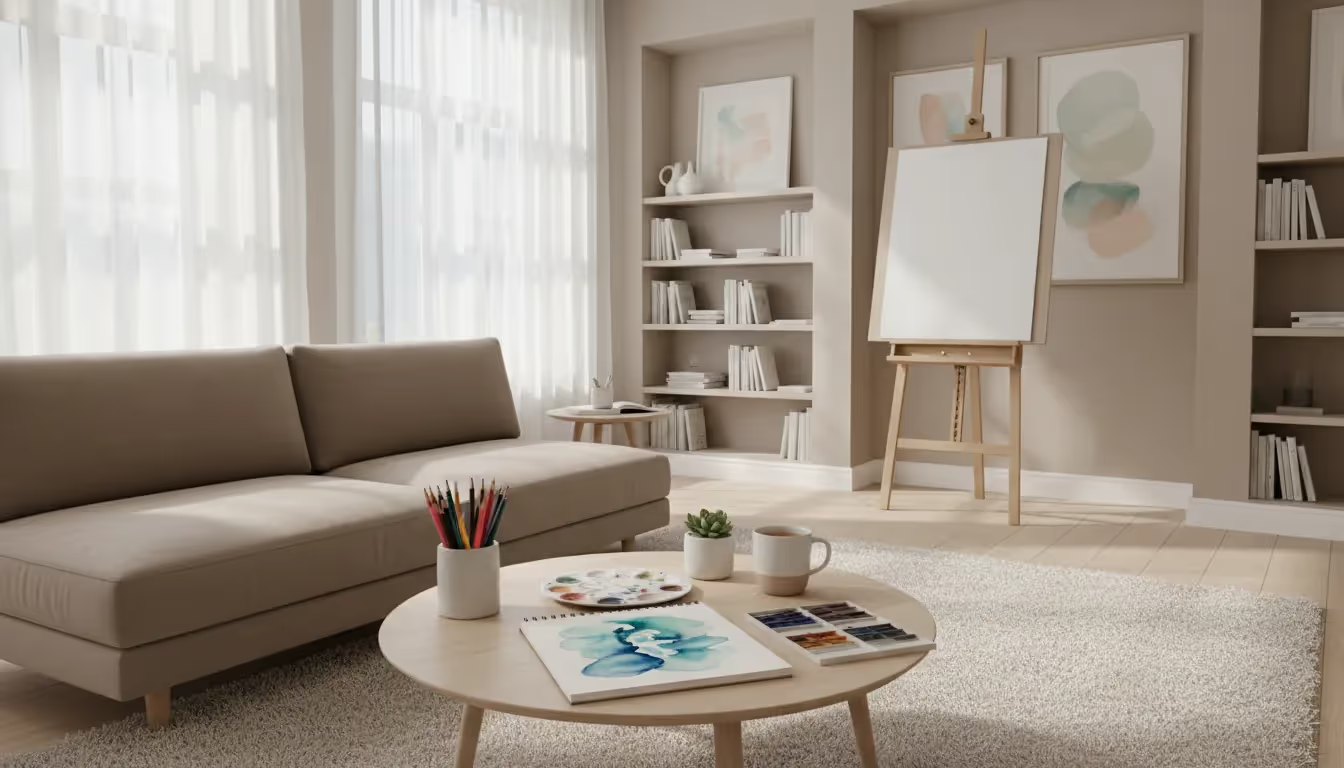
These sessions often use a variety of creative mediums to help people express experiences. When you work with a clinician, you might use several tools to express yourself:
This active process of creating helps people explore memories and thoughts that may be difficult to put into words.
Clients do not need any artistic skill to participate in these sessions. The focus remains on the active process of creating rather than the final product. Creating art in a clinical setting gives people a safe space to relax and escape daily stress. This quiet space helps foster deeper emotional healing. You can learn more about this by reading about emotional healing through creative therapy from the Mayo Clinic.
This creative approach does not replace standard talk therapy. Instead, it works as an integrative option alongside traditional individual counseling services. Some clients use both methods to achieve their healing goals. For instance, art can help you explore feelings that are hard to describe with words alone. Once those feelings are visible on paper or clay, you and your therapist can discuss them more easily.
This integrative method is useful for people who are also receiving trauma-informed care. Trauma often affects the brain in ways that make verbal communication difficult. Combining creative arts with verbal sessions offers a complete path to recovery.
Scientific research supports the use of creative therapies for trauma. Systematic reviews show that art therapy can lead to a major decrease in psychological trauma symptoms in adults. You can read the clinical evidence in this systematic review on trauma treatment. The study also noted improvements in depression symptoms.
For clients who need specialized trauma therapies, art can prepare the mind for deeper processing. It helps calm the nervous system and build emotional stability. Many people combine these tools to create a personalized treatment plan.
Renewal of the Mind uses creative expression to help adults explore grief, stress, trauma, or major life transitions when talking is not enough. Art therapy can bypass the pressure to find perfect words, letting you express yourself through shape, color, image, and guided reflection.
Many adults struggle to explain how they feel. When you experience deep grief, stress, trauma, or a major life transition, talking is not always enough. Sometimes, the brain protects itself by locking painful memories away from verbal reach. For these painful moments, creative expression offers a different path to heal. It bypasses the need for words, letting you express yourself through shape and color.
Traditional talk therapies work well for many people. But some emotional pain sits in parts of the brain that do not process language. For example, people with posttraumatic stress disorder may find it hard to talk about their past. Clinical reviews show that art therapy can reduce trauma symptoms in adults. Combining creative work with trauma-informed care helps people process what words cannot say.
When words fail, art serves as a bridge. Making art lets you express feelings that are too complex to speak aloud. It allows people to explore their inner world without the pressure of finding the right words. By focusing on the creative process, you can slowly release tension and start to make sense of your experiences.
People who seek art therapy for adults Virginia do not need to be artists. It is not about making beautiful art. Instead, sessions use simple tools to help you share what you feel. This focus on the process rather than the final product makes it easier to start.
Different materials help in different ways. A therapist can help you pair these tools with individual counseling services to deepen your self-awareness. Working with a professional ensures that you use these creative mediums in a way that supports your mental health goals. Common creative methods include:
Making art creates a safe and relaxing space to escape mental stress. According to Mayo Clinic experts, artmaking inspires emotional healing by giving you room to just exist. You do not have to worry about judgment or making mistakes. This quiet focus lowers mental stress while helping you build better coping skills.
As you work, a licensed therapist guides you. They help you notice patterns in your creative choices and connect them to your life. This process can be combined with other specialized trauma therapies to help you heal. Over time, you gain deeper insight into your feelings and find new ways to move forward.
Renewal of the Mind supports trauma, stress, and emotional regulation by combining creative artmaking with clinician-led reflection. This approach can make difficult experiences more visible, less overwhelming, and easier to discuss at a safe pace.
Trauma can change how the brain processes memories, making traditional talking therapies difficult for some people. Often, discussing painful experiences can feel too overwhelming or trigger intense emotional reactions. Research shows that creative techniques can help people access these deep and hidden memories safely. In fact, systematic reviews suggest that art therapy can reduce trauma symptoms in adult patients.
At Renewal of the Mind, we combine creative expression with traditional trauma-informed care. Our therapists help you find safety as you explore difficult memories through drawing or painting. These creative mediums give you a sense of control over your personal story. This gentle approach helps calm the nervous system and promotes healing without requiring immediate verbal expression.
If you need deeper support for trauma, we also offer specialized trauma therapies such as EMDR. These evidence-based methods work well together to help you process painful past events. Many clients use visual art as a tool to prepare for verbal psychotherapy sessions. You can work with a licensed clinician to build a custom treatment plan that fits your needs.
Chronic daily stress can keep your nervous system in a constant state of high alert. Engaging in artmaking can provide you with a safe, relaxing space to escape these mental pressures. When you focus on a simple creative task, your mind gets a welcome break from anxious thoughts. This quiet focus naturally helps slow your heart rate and lower your overall stress levels.
According to a Mayo Clinic report, creative activities encourage emotional healing by letting patients relax in a safe space. You do not need to have any artistic skills or background to benefit from these sessions. The main goal is the creative process itself, rather than the final product you make. Simply applying paint to a canvas or shaping clay can bring immediate emotional relief.
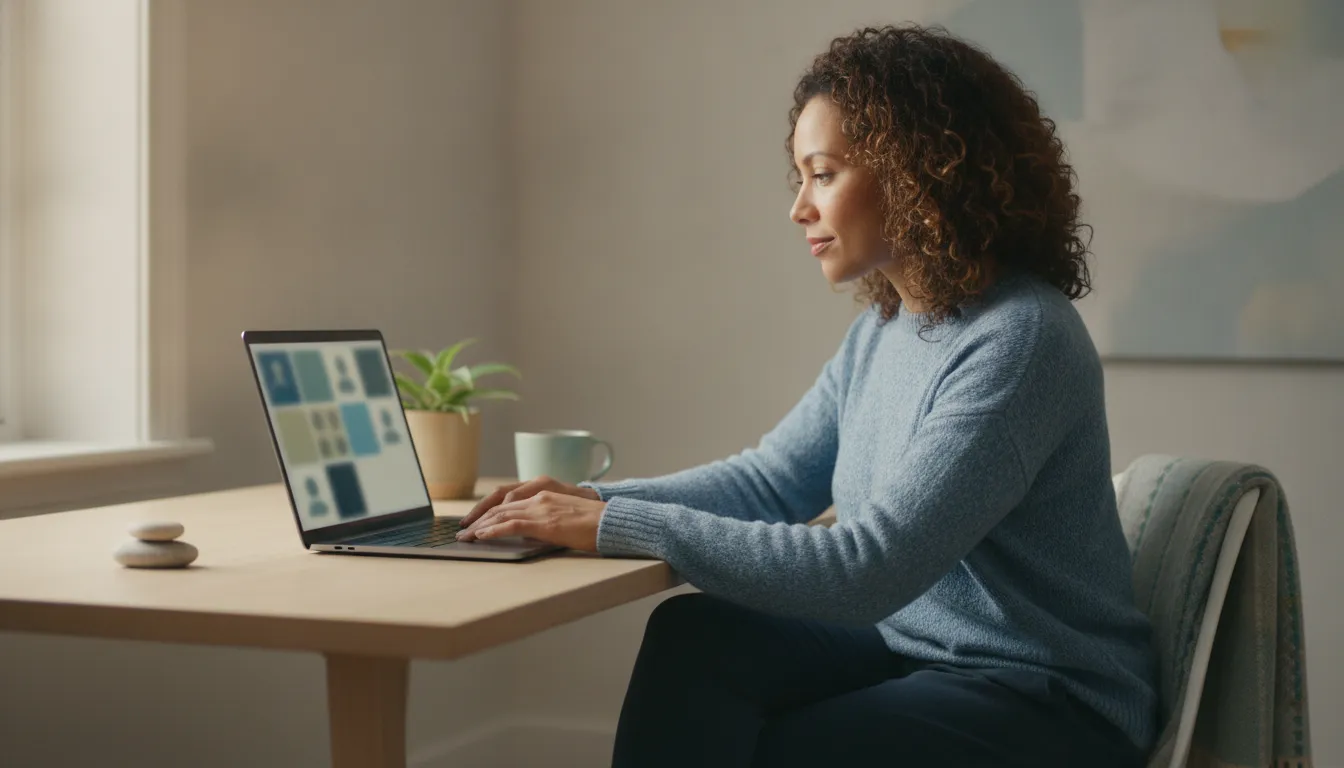
People looking for telehealth appointments can also practice these creative methods from the comfort of home. Online therapy sessions make it easy to fit stress management into a busy work schedule. A trained therapist can guide you through simple exercises using basic household items. This flexibility lets you build a calming self-care routine in any comfortable setting.
Many adults find it hard to understand or put a name to their complex emotions. Our program of art therapy for adults Virginia provides a physical way to show what you feel inside. When you paint, draw, or sculpt, you externalize feelings that seem too tangled for words. This physical action makes your inner experiences visible and much easier to process over time.
Working with a trained professional helps you look at your artwork without any judgment or shame. Together, you and your therapist can notice patterns in the colors, shapes, and images you create. This quiet exploration can lead to deep self-discovery and lasting personal growth. It helps you see your struggles in a new light and learn healthier coping skills.
If you want to start this healing path, we offer supportive individual counseling services in Fairfax. Our group of licensed therapists is ready to help you meet your unique mental health goals. You can explore your emotions safely in a compassionate and quiet setting. Contact our team today to learn how creative tools can support your wellness journey.
You do not need any artistic skill to take part in art therapy for adults Virginia. Your therapist will explain that the focus is on the creative process rather than making a perfect piece of art. Before you begin, your therapist will discuss consent, explain the materials, and help you feel comfortable. You do not have to make anything realistic, and you can change directions at any time.
During this initial stage, you also have total control over how you take part. You can choose from drawing, painting, sculpture, or collage based on your comfort level. The goal is to build safety and trust before any artmaking starts. This collaborative approach is a key part of our individual counseling services.
A typical session follows a structured process to support your emotional needs. Your therapist will guide you through each phase while respecting your privacy and pace. The following sequence shows how we structure art therapy sessions for adults.
After you complete your artwork, the therapist’s role is to help you explore its meaning. Your therapist will never judge your art or analyze it without your input. Research shows that engaging in artmaking provides a safe, relaxing space to escape stress and promote emotional healing, according to the Mayo Clinic.
Because art therapy addresses deep feelings, your privacy is always protected. At our clinic, we merge creative expression with trauma-informed care to help you heal. In fact, clinical studies published in PubMed show that art therapy reduces psychological trauma symptoms in adults. You always choose what to share and how you want to heal.
Healing is not a one-size-fits-all process. Different mental health treatments offer distinct ways to process difficult emotions and life events. Many people seeking art therapy for adults Virginia want to see how creative options compare to verbal therapy or eye movement desensitization and reprocessing.
Traditional verbal sessions help you explore your thoughts and behaviors through conversation. Clients often use individual counseling services to work through life changes, stress, or relationship patterns. These weekly talks help you build coping skills and gain self-awareness.
Creative arts therapy does not rely on words alone. Instead, you use drawing, painting, or clay to express feelings that are hard to describe. Systematic reviews show that art therapy can lead to a decrease in psychological trauma symptoms for many adults.
Art therapy uses creative expression to help you heal. Creating art provides a safe, relaxing space to escape mental and emotional stress. According to Mayo Clinic, this creative process leads to deep emotional healing. Clinicians integrate drawing, painting, or sculpture with traditional counseling techniques.
Eye movement desensitization and reprocessing is a structured tool for painful memories. Clinicians use rapid eye movements or gentle taps to help your brain reprogram traumatic experiences. This option is one of several specialized trauma therapies.
EMDR works differently by focusing directly on the nervous system. Instead of talking at length, you track visual or sensory cues. This process helps your brain file painful memories away so they feel less intense today.
You do not have to choose your path alone. A licensed clinician will evaluate your needs and discuss your personal goals. This collaborative approach helps you find the most effective combination of treatments.
An experienced therapist can help you map out your clinical care plan. At Renewal of the Mind, licensed professionals specialize in various healing modalities to match your unique journey. They offer in-person visits in Fairfax and telehealth appointments throughout the state.
Many adults find it hard to speak about their deepest pain. If you struggle with heavy feelings, art therapy for adults Virginia offers a different path to healing. We can combine creative expression with traditional talk therapy to match your needs. You do not need to be an artist. It is about using simple tools like paint, clay, or drawing to share what you cannot say.
Creative sessions give you a calm path to process your thoughts. This active approach lets you express feelings like anxiety or grief without the pressure of finding the right words. You can look at your feelings on paper from a safe distance. A safe and relaxing space helps you escape stress and find emotional healing.
You might wonder if this method is right for your life. It can help you if you feel burned out by work, family, or daily stress. Many people experience a sense of emotional numbness after a loss or major change. When you feel this way, traditional talking can feel like a chore. Art therapy helps you tap into these deep, hidden feelings when your words fall short.
You may want to ask about this care if words keep getting in the way. It may also help when worry affects sleep, painful memories shape daily choices, or burnout leaves you feeling numb.
Art therapy is a proven clinical tool, not just a hobby. A clinical review published on PubMed shows that this creative method can lead to a significant decrease in trauma symptoms for adults. The creative work gives your brain a new way to process difficult memories. This is why we provide trauma-informed care.
Our trained therapists guide you through drawing, painting, or sculpting. They do not judge your art or look for flaws. Instead, they help you see what the colors and shapes say about your inner world. This process helps you gain control over your stress and rebuild your peace.
We want to make this support easy for you to reach. If you live in Northern Virginia, you can meet with us in our Fairfax office. This cozy space provides all the art supplies you need for your sessions. But we know that a busy life can make in-person visits hard to schedule.
That is why we also offer telehealth appointments for people across the state. You can make your art from the comfort of home. Our team will guide you through a private, HIPAA-secure video call. Whether you choose in-person or online care, our art therapy for adults Virginia services are here to support your path.
Renewal of the Mind offers professional art therapy at our Fairfax office. We serve local clients in Fairfax County and Arlington. Three specialized art therapists work here using painting, drawing, sculpture, and collage. These creative sessions help adults express feelings and process difficult experiences without needing words.
For many people, standard talk therapy can feel hard when dealing with deep stress. Combining creative work with individual counseling services offers new paths. You can use art to explore your personal story at your own pace. Our therapists create a safe, accepting environment where you can work through trauma and learn about yourself.
Using creative tools allows you to explore deep emotions in a safe and supportive setting. Our trained team will guide you. You do not need any previous art experience to benefit from these sessions. The focus remains entirely on your personal healing, growth, and self-discovery.
You do not have to live near Fairfax to get quality care. Our practice provides HIPAA-compliant telehealth appointments for people throughout the state. This setup is simple. Virtual sessions let you take part in creative therapy from the comfort of your home.
Online sessions are a great choice if you are looking for art therapy for adults Virginia but have a busy schedule. You can meet with a licensed clinician without a long commute. Studies show that art therapy reduces trauma symptoms in adults. Doing this creative work online keeps the process private, safe, and highly accessible.
Our therapists adapt creative exercises so you can easily do them from your home computer. You only need simple materials like colored pencils, pens, or standard paper. This format ensures that distance never stands in the way of your mental health journey. We work closely with you to make sure your virtual space feels safe.
Paying for care is often a top concern for people starting therapy. You can use your in-network benefits, out-of-network benefits, or self-pay options. Our practice is in-network with thirteen major insurance carriers, including Cigna, Aetna, BCBS, UHC, Kaiser, and Medicaid. This wide coverage helps make mental health services affordable for many local families.
Starting the process is simple and does not require a doctor referral. We make starting therapy easy. You can schedule a free fifteen-minute consultation to see if our approach matches your goals. During this brief call, you can ask questions and discuss your personal goals.
Yes, art therapy is a clinical modality for adults, particularly those processing psychological trauma, stress, and anxiety. A systematic review published by the National Institutes of Health indicates art therapy can significantly decrease trauma symptoms in adults. Licensed professionals use creative mediums like paint, clay, and drawing to help clients express complex feelings without relying entirely on words.
No. Adult art therapy focuses on the creative process, not artistic talent or a polished final product. Your therapist may invite you to use simple materials such as pencils, paint, collage, or clay to explore feelings, notice patterns, and reflect on what appears. The goal is emotional insight, regulation, and support.
Many health insurance plans may cover art therapy when it is integrated into a mental health treatment plan with a licensed clinician. Renewal of the Mind is in-network with over 13 major insurance carriers, including Blue Cross Blue Shield and Cigna. Coverage details vary based on your specific insurance provider and clinical plan.
The cost of art therapy varies based on the provider’s location, credentials, and whether they accept health insurance. According to Psychology Today, individuals in Fairfax County have access to diverse pricing options. To help clients find a good clinical fit, many practices offer free initial consultations while insurance often offsets session costs.
Delaying mental health care often allows temporary emotional struggles and daily anxiety to grow into deep exhaustion that is much more difficult to resolve. Beginning art therapy today helps you safely express and process these complex feelings, build coping skills, and decide what support feels right for you. Our licensed team provides compassionate, evidence-based individual counseling services in our welcoming Fairfax office and through statewide telehealth to support your healing.
Our specialized art therapists are ready to help you express what words cannot. We offer both in-person sessions in Northern Virginia and secure online options. No referral is required to begin your therapy.
Our compassionate team at Renewal of the Mind is here to help — whether you’re navigating anxiety, trauma, relationship challenges, or simply need someone to talk to. We offer in-person and telehealth sessions across Northern Virginia.